The moment you decide to examine your finances on a regular cadence, you begin a transformation that extends beyond numbers and into daily life. A monthly money check-in routine is not about panic over balances or guilt over past choices, but about clarity, curiosity, and momentum. It is a dedicated space in time where you pause, breathe, and observe your financial landscape with honest eyes and a steady hand. This article will guide you through building a sustainable ritual that fits into real life, respects your time, and yields practical ins...
Budgeting & Saving


Entering the world of savings accounts for the first time can feel like stepping into a vast marketplace where terms, numbers, and promises swirl around you. The goal of this guide is to illuminate the essentials without overwhelming you with jargon or hype. A well chosen savings account serves as a quiet foundation for your financial future, offering security, predictable growth, and convenient access when you need it. For a beginner, the most important aim is not to chase the highest advertised rate alone, but to find a basic, reliable produc...
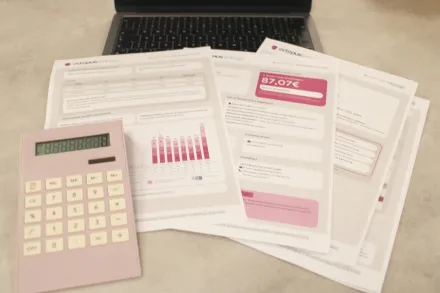
Budgeting can feel like stepping into a room where the walls are lined with numbers you never asked to meet. If you have ever pictured your finances as a locked cabinet you cannot open without a key the size of a calculator, you are not alone. Many people dread the moment a ledger or a spreadsheet appears because the act of counting money seems to demand precision, restraint, and sacrifice all at once. Yet budgeting does not have to be a grim ritual that drains your energy. It can instead become a gentle, practical habit that clarifies what you...

Digital cash envelopes are a modern evolution of a time tested money management approach. The traditional envelope method involved physically dividing cash into labeled envelopes, each representing a distinct expense category such as groceries or transportation. The digital version retains the core discipline of assigning a finite amount to each category while replacing paper envelopes with virtual containers that live inside a budgeting system, a bank app, or a simple spreadsheet. The result is the same basic behavior: spend only what you allo...

Living in a world where housing costs constantly shift requires a keen eye for the broader market dynamics as well as a clear view of your own situation. The monthly rent you pay is not a fixed truth but the result of negotiations, supply and demand, geographic differences, and the specific terms offered by a landlord who seeks to balance risk with return. To begin effectively, you must gather information about the neighborhoods you are considering, track recent rental listings, compare similar units in the same area, and note the typical add o...

Money is a language that speaks in many steps and symbols, and teaching budgeting begins long before a child handles a debit card. The core idea is to connect values to choices, linking the idea of scarce resources to the power of planning. When a child understands that money represents time, effort, and patience, they start to see budgeting not as a constraint but as a tool for achieving goals. This foundation helps children grow from passive spenders into active planners who think about tradeoffs, priorities, and the consequences of short ter...

In your forties the landscape of financial responsibility tends to grow more intricate while the horizon of opportunity often appears more stable, which makes budgeting a different kind of practice than what you might have relied on in earlier decades. The routine quickly shifts from simply covering the bills to orchestrating a broader plan that aligns short term choices with long term security. In this phase of life many people face a blend of steady income and rising responsibilities, from supporting children who are navigating education to p...

Creating a clothing budget is about aligning what you wear with what you can afford while avoiding waste and emotional spending. A well-crafted budget anchors decisions to real needs, supports a consistent wardrobe, and reduces stress when the next purchase opportunity arrives. The goal is not deprivation but intentionality, ensuring every garment earns its place through durability, versatility, and personal style. To begin, you must understand your lifestyle, climate, and the kinds of events that populate your calendar, because these factors d...

Budgeting often becomes a daunting task because it sits at the intersection of desire, fear, and routine. People approach it with the conviction that change must be drastic, immediate, and perfect, which rarely aligns with real life. A budget is not merely a set of numbers; it is a living map that guides daily decisions, anticipates irregular events, and accommodates shifting priorities. When a budgeting effort begins with lofty assumptions about income stability or permanent reductions in discretionary spending, the plan can feel punitive and ...

In everyday life comfort is not simply a luxury reserved for special moments; it is a foundation that supports health, productivity, and emotional stability. When we think about reducing monthly expenses, the aim is not to erase the things that make life pleasant but to remove waste, replace high cost routines with equally effective lower cost alternatives, and preserve the sense of ease that allows us to relax and recharge. This approach depends on recognizing value rather than chasing the cheapest option, because true comfort often hinges on ...