Spending habits are not merely about willpower or a lack of discipline; they are deeply embedded in patterns that arise from how the mind interprets value, reward, and risk. When people encounter a purchase, the brain often responds with a quick surge of anticipation, a fleeting sense of relief, and a memory of past satisfactions associated with similar purchases. Advertising and social cues amplify these reactions by presenting idealized scenarios in which possessions become shortcuts to happiness or status. Over time, repeated exposures to su...
Budgeting & Saving


Understanding cash flow fundamentals means recognizing that cash flow is the actual movement of money into and out of a business over a defined period, whereas profit represents the accounting result of revenues minus expenses. In practice, a company can be profitable on paper yet still struggle because cash sits tied up in accounts receivable, inventory, or long payment cycles. This inherent distinction matters because liquidity—the ability to meet day-to-day obligations when they come due—drives survival, investment capability, and the capaci...
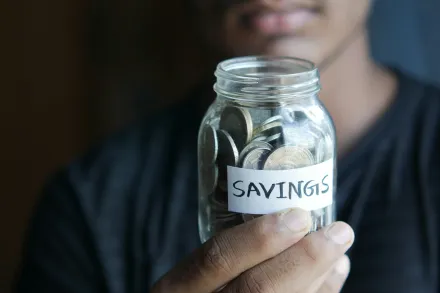
Debt can feel like a heavy shadow that follows you through ordinary days, turning purchases into calculations and choices into compromises. The goal of this guide is not to pretend debt disappears overnight but to show how you can save money while you pay it down, creating a sustainable rhythm that reduces interest, shortens the timeline to financial freedom, and protects you from new financial shocks. By weaving practical steps with an attentive mindset, you can transform a tense financial picture into a series of controllable moves that impro...

In your thirties the terrain of money shifts as responsibilities multiply and future plans become more concrete. To navigate this landscape with confidence, you begin by tracking every dollar with a steady, almost mindful rhythm. This practice is not about micromanaging every whim but about cultivating a transparent map of where your money goes, how it accumulates, and where it leaks. You start by recording all sources of income and then follow the flow through essential needs, recurring bills, and discretionary spending. The act of tracking ho...
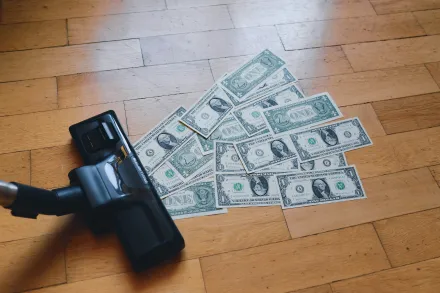
Budgeting with cash is a deliberate approach that anchors spending in the physical reality of money. It reframes the way people think about purchases by removing the distant abstraction of plastic or digital balances and placing a tangible limit in their hands. This method rests on the idea that money, when rendered in tangible notes and coins, carries a heavier psychological weight than an abstract number in a bank account. The practice can help prevent impulse buys, reduce the lure of easy credit, and cultivate a steady cadence of financial a...

In the modern shopping landscape, cash back has evolved from a simple rebate to a nuanced system of rewards, portals, and category bonuses that can significantly affect the total amount you actually spend. The idea is not merely to chase a single big discount, but to cultivate a reliable habit of earning back a portion of your purchases over time. When you approach cash back with a plan, you convert everyday transactions into a disciplined savings tool that compounds as your shopping footprint grows. This article explores how to maximize your r...

In a world saturated with advertisements, limited time offers, and the constant hum of social validation, learning how to say no to purchases becomes a practical skill rather than a moral stance. It is not about denying yourself every pleasure; it is about aligning your spending with the values and goals that matter most. When you improve at saying no, you free up resources for experiences that have lasting value, reduce the stress of living paycheck to paycheck, and cultivate a sense of agency that feels empowering rather than punitive. This a...
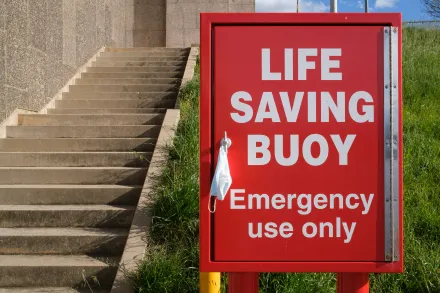
Life moves with a rhythm that often feels unpredictable, as if the ground beneath us can shift with little warning. An unexpected event can emerge as a sudden medical bill, a burst pipe, or a job change that reshapes the financial landscape in days. The idea of saving for these moments is not merely a prudent practice; it is a psychological shield that preserves stability, reduces stress, and preserves long term goals even when short term realities become tense. An emergency fund acts as a quiet, reliable partner in a busy life, providing a cus...
The discipline of saving money year after year does not hinge on heroic acts of restraint or sudden windfalls but rather on cultivating a steady pattern that can survive the ebbs and flows of life. This guide invites you to explore a practical approach to saving that respects the realities of work, family, and shifting markets. It emphasizes rhythm over intensity, habit formation over short lived bursts, and a mindset that treats savings as a nonnegotiable part of financial health rather than as a clever afterthought. By understanding the under...

Micro-habits are tiny, repeatable actions that fit seamlessly into daily life and require only a small investment of time or mental energy. When applied to finances, they become powerful because they create a quiet, persistent drift toward better outcomes rather than dramatic, unsustainable changes. The core idea is that small, reliably repeated behaviors accumulate into meaningful results over weeks, months, and years. A single micro-habit might be something as simple as noting every purchase in a small notebook, rounding up a few cents from e...