Long-term savings is not a single action but a continuous practice that blends deliberate planning with steady routines. It rests on a simple premise: small, regular choices, sustained over many years, can create a material cushion that supports dignity, opportunity, and resilience even in the face of unforeseen events. The objective of a robust long-term savings strategy is to build a reservoir of financial security that can withstand inflation, support meaningful goals, and reduce dependence on sudden windfalls or precarious income fluctuatio...
Budgeting & Saving


When a marriage ends, the household budget undergoes a fundamental shift that affects every corner of daily life. The first step in building a budget after divorce is to acknowledge the new financial reality with honesty and patience. Income streams can change dramatically, as one partner may lose access to earnings that previously supported the family, while new expenses may appear that were once shared or absorbed by the other party. The emotional weight of separation can complicate decisions, but a well structured plan that prioritizes stabi...

In many communities, households with limited income face a steady stream of financial pressures that can make saving feel out of reach. Yet the ability to build small cushions, to plan for emergencies, and to invest in future stability is not a luxury reserved for higher earners. It is a practical skill that can be learned through patient experiments, community resources, and a mindset that views saving as a flexible, ongoing habit rather than a rigid target. This article explores a broad set of strategies that are grounded in everyday reality....
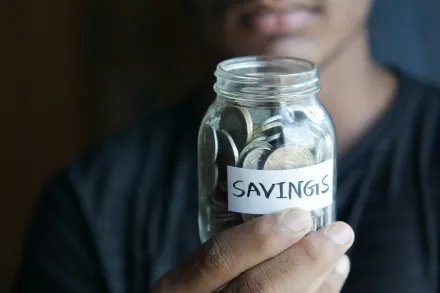
When a crisis disrupts the steady rhythm of daily life, the first instinct often is to focus on immediate needs: securing shelter, keeping food on the table, and protecting those you love. Yet as the dust settles, the most important work shifts toward a deliberate rebuilding of savings that can act as a shield for the future. The journey from depleted accounts to a robust safety net is not a sprint but a careful, sustained process. It requires patience, clear thinking, and a willingness to redesign habits that once seemed ordinary. The good new...

Prepaid services are built on a simple premise: you pay for access before you use it, creating a clear boundary between what you purchase and what you consume. This model differs from postpaid arrangements where charges accrue after usage, sometimes hiding the true cost until a bill arrives. By paying upfront, you gain a tangible reminder of your spending and a more immediate sense of control over your budget. This awareness often discourages excessive consumption and reduces the chance of surprising charges that can derail financial plans. The...

In the realm of dining out the first thing to grasp is value. Value blends price, portion, flavor, and the sense of occasion into a single experience. When you step into a restaurant your goal is not merely to spend less, but to maximize what you get for the money you allocate. A meal that fills you, satisfies your cravings, and leaves you with a pleasant memory is, by definition, a good deal. This means looking beyond the stated price and considering the whole package: the size of the portion, the quality of ingredients, the skill in preparati...

Understanding transportation costs begins with recognizing that every mile traveled and every load moved affects the bottom line in ways that extend beyond the immediate price paid to a carrier. Hidden costs such as idle time, route inefficiencies, and underutilized capacity can accumulate quickly if they are not measured and managed with a deliberate strategy. The goal is not simply to cut price but to improve the overall cost-to-serve by aligning assets, processes, and decisions with actual demand, service levels, and risk tolerance. In doing...
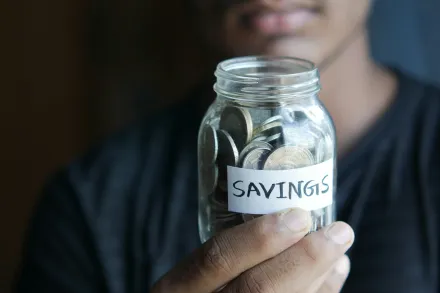
Banking fees are a quiet drain on household budgets, stacking up through a combination of fixed charges, incidental costs, and occasional penalties that may seem small in isolation but compound over time. The typical bank account includes a monthly maintenance fee, a charge for paper statements or inactive accounts, and a spectrum of transactional fees that apply when you transfer funds, withdraw cash, or use services that remain outside the core checking or savings package. Overdraft fees can appear suddenly when a balance dips below zero, and...

Frugality begins with a thoughtful mindset that treats resources as a delicate balance rather than endless fodder for impulse. It is not about deprivation but about choosing what truly adds value to daily life, and about recognizing that how you spend today shapes opportunities tomorrow. A durable frugal practice rests on clear goals that reflect personal priorities, as opposed to chasing the latest trend or succumbing to social pressure. When you articulate what matters most—whether it is steady housing, reliable healthcare, or the chance to s...

Understanding where your money goes is the first pillar of any effective savings plan for entertainment and it is the step that often reveals surprising amounts that slip through unnoticed. In this section you will learn to map your digital life with careful attention to the frequency of use, the actual value you derive from each service, and the ways in which different platforms overlap in content libraries. By taking stock, you can identify not only what you pay for but what you could reasonably reduce or replace without sacrificing the quali...