Future-proofing wealth begins with disciplined financial architecture. For those who earn significantly more than average, traditional budgeting can feel insufficient or misaligned with the complexities of high income. The aim of this article is to explore a comprehensive approach to budgeting that matches the scale and nuances of high earners. It is not merely about restricting spending; it is about shaping a resilient financial ecosystem where income, taxes, investments, risk, and legacy work together in a coherent plan. The perspective offer...
Budgeting & Saving


Hidden subscription charges have become a pervasive challenge in an age of rapid digital service expansion. Every week seems to bring a new offer, a new trial, or a promotional package that promises convenience and savings, yet over time those promises can morph into a steady drip of small, seemingly insignificant fees that compound into a substantial bill. The phenomenon is not simply about a single misstep but about a complex ecosystem of pricing models, billing cycles, and terms that are often buried in fine print or tucked behind layers of ...

Understanding the dynamics of personal spending begins with a clear picture of how entertainment takes shape in everyday life. In practice this means turning attention to the moments when leisure becomes a choice rather than an instinct, and then tracing those choices back to their sources. A thoughtful examination starts with a willingness to observe patterns over a meaningful period, ideally several weeks or months, so that fluctuations tied to seasons, holidays, or social obligations do not distort the overall trajectory. It is important to ...

A yearly financial plan is more than a spreadsheet or a set of numbers. It is a living map that translates values, priorities, and practical constraints into a coherent approach for the next twelve months. When crafted with care, it aligns daily spending with long term objectives, supports resilience in the face of uncertainty, and provides a framework for making deliberate choices rather than reacting to circumstance. The process begins with an honest inventory of what is happening in the present, followed by thoughtful projection into the fut...

Building a robust financial safety net begins with a candid, thorough picture of your current finances. This means tracking income from all sources, listing every recurring expense, and acknowledging any debts that require regular service. When you examine your spending patterns with honesty, you begin to notice which costs are essential and which are optional, and you gain insight into where your money goes each month. The snapshot you create acts as a map that guides every decision you make about savings, debt reduction, and investment, and i...

Inflation reshapes everyday finances, eroding purchasing power and complicating planning. When prices rise across essential goods and services, a thoughtful budgeting approach becomes not just helpful but essential. This article explores practical strategies to budget during inflation, focusing on clarity, flexibility, and sustainable habits that stay effective even as costs shift. The goal is to empower you to protect your finances, maintain essential living standards, and build resilience without sacrificing long term goals. By examining how ...
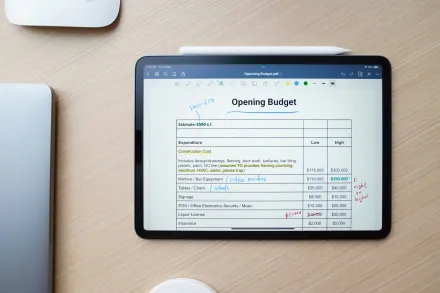
In any thoughtful approach to personal finance, a budget serves as a map rather than a rigid cage, guiding choices by translating income into tangible possibilities and responsibilities. A well crafted budget communicates what matters most to a household or individual by aligning daily spending with long term priorities while providing room for both stability and growth. It is not merely a ledger of expenses but a living framework that reflects changing circumstances, such as an alteration in income, a shift in family needs, or a new obligated ...

In a world where everyday expenses creep up in small increments, the art of saving often feels like a distant ambition rather than a practical habit. Yet the truth is that the most powerful savings are not grand gestures but tiny, repeatable actions that fit naturally into daily life. When these micro-savings are repeated consistently, they act like patient workers, quietly gathering strength and compounding over weeks, months, and years. This article explores a broad set of micro-saving techniques, not as a rigid program but as a flexible appr...

Fuel economy is a measure of how far a car can travel on a given amount of fuel, typically expressed in miles per gallon for the United States or liters per hundred kilometers for many other regions. This metric matters not only as a number on a sticker but as a direct influence on what you pay at the pump over time. Every mile you drive costs you fuel, and that cost compounds with distance. Understanding the basics helps you see where small changes can translate into meaningful savings. The way your vehicle converts chemical energy in fuel int...

Life unfolds in a series of moments that feel both monumental and intimate, and the way we prepare financially can transform those moments from daunting pressures into achievable milestones. Saving for major life events is less about chasing a single perfect plan and more about cultivating a sustainable mindset, a dependable framework, and a quiet habit of steady progress. By building awareness of income patterns, expenses, and the real costs of the milestones you care about, you create a reservoir you can draw from when time arrives. This appr...