In a world where every dollar seems to have a story of its own, learning to track spending without paying for sophisticated software can feel empowering and surprisingly straightforward. The landscape of free tools available today is richer than ever, spanning simple and accessible spreadsheet templates, web based systems that sync with bank accounts, and offline open source programs that give you complete control over your data. Whether your goal is to curb impulse buys, plan a saving strategy for a big purchase, or simply understand where you...
Budgeting & Saving


Money habits arise from a complex web of beliefs, emotions, past experiences, and daily choices, and understanding this interplay is the first step toward meaningful change. When people consider their finances, they often focus on numbers and rules, yet the deeper work involves noticing patterns that quietly shape behavior. Recognizing that spending and saving are expressions of identity helps transform how one approaches money from a place of judgment to a place of curiosity. This shift creates a more sustainable path because it aligns financi...
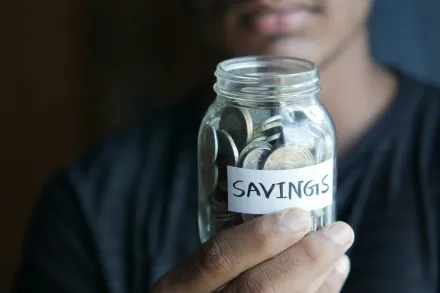
Saving money does not have to mean starving your joy or muting the little pleasures that give texture to daily life. The real foundation lies in a mindset shift that frames savings as a way to expand choice rather than restrict it. When you view money as a tool that supports your longer term goals, you begin to see savings as an ongoing act of deliberate preference setting rather than a temporary deprivation. This perspective invites you to explore what you value most, to recognize how your current choices either shorten or expand future option...

Seasonal expenses are the financial fingerprints of the year, the costs that appear not at the same rate every month but in response to changing weather, holidays, school calendars, and cultural rhythms. They can be predictable in that they recur at approximately the same times each cycle, yet they are often irregular in size and timing. A robust approach to budgeting for these fluctuations combines careful observation with disciplined planning, allowing households and individuals to smooth their spending, reduce debt pressure, and preserve fin...

Building a budget for a child is an exercise in teaching structure, responsibility, and the practical skills of money management. A thoughtful plan helps a young person grasp how income, expenses, and savings interact, and it creates a framework that families can use to shape values around spending, generosity, and future goals. A child budget plan is not about deprivation but about clarity, choice, and the opportunity to practice deliberate decision making in a safe, supportive environment. When designed with care, it aligns with family routin...
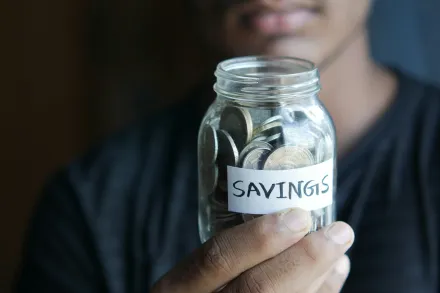
In personal finance, the ability to prioritize savings goals is the difference between progress and drift. People often have multiple targets at once, from building an emergency cushion to saving for a home, education, retirement, or a dream vacation. The act of prioritizing transforms those scattered wishful aims into a coherent plan that respects income, obligations, and future possibilities. A thoughtful approach doesn't just tell you what to save for; it clarifies how much to set aside, when to push harder, and when to maintain steady disci...

In the broad arc of life, financial planning after retirement takes on a different texture than the intensity of building a career or managing a growing family. For seniors, budgeting is less about chasing growth and more about preserving stability, ensuring access to essential needs, and creating room for meaningful experiences within the limits of a fixed or slowly changing income. The realities of retirement often include a palette of predictable expenses, such as housing and healthcare, alongside variable costs that can shift with health st...
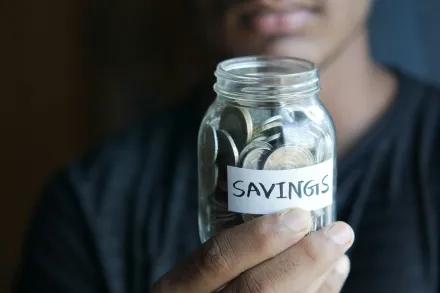
Embarking on a savings challenge is more than a budgeting tactic; it is a deliberate practice of shaping your financial habits through focused, repeatable actions that gradually redefine what you consider possible with the money you earn. The essence of a personal savings challenge lies in creating a container for intention, inside which small decisions accumulate into a tangible cushion that can fund future goals, emergencies, or the freedom to pursue opportunities without anxiety. When approached with patience and curiosity, a savings challen...

Impulse spending often happens quickly and quietly, when the mind is not fully engaged in the decision. It can feel exciting in the moment and regretful afterward, especially when money is tight or when purchases do not align with long-term goals. Understanding why these impulses arise is the first step toward reducing their frequency and their emotional impact. People experience impulse spending for different reasons, from stress relief to a sense of missing out, from habit to the reinforcement provided by digital environments. The aim is not ...

Effective travel planning begins with a clear sense of value and a honest appraisal of personal priorities. When you approach a trip with a thoughtful budget, you are not merely cutting costs you are expanding the range of possibilities within your means. A well crafted budget acts as a compass that steers you toward experiences that matter most while avoiding expenses that offer little satisfaction. In practice this means taking stock of fixed costs such as transportation and lodging, while leaving room for spontaneous discoveries that align w...