In a world of fluctuating prices and shifting budgets, a frugal shopping list acts as a compass that guides daily choices toward value rather than impulse. The idea is not to starve creativity but to anchor your grocery planning in clarity, so every item earns its place by serving a purpose, saving money, or both. When you approach shopping with a plan rather than a haphazard add-on routine, you can stretch meals further, reduce waste, and protect your overall financial health without sacrificing nutrition or variety. This article explores the ...
Budgeting & Saving

Buying in bulk is a practical approach that can yield meaningful savings when it is aligned with how a household eats, stores, and plans its meals. The core idea is simple in theory: purchase more of a product at a lower per unit cost and use it thoughtfully so waste is minimized. In practice, bulk buying requires attention to storage space, shelf life, consumption pace, and the ability to manage inventory without letting items expire or lose quality. This article explores why bulk buying can be economical, how to evaluate which items are worth...
Public transportation is often overlooked as a personal finance tool, yet it can substantially reduce everyday expenses compared to owning and operating a private vehicle. For many households, the upfront cost of transit is small or even zero when measured against car payments, insurance, maintenance, fuel, parking, and depreciation. The practical value emerges when one learns to navigate fare structures, passes, and schedules with intention. This guide explores practical strategies to cut transit costs without sacrificing reliability or conven...
Emotional spending often starts as a small spark, a moment of feeling unsettled, excited, lonely, or bored that quickly grows into a purchase that promises relief or reward. The pattern can feel intimate and invisible, tucked into everyday routines like scrolling through a gallery of tempting products or receiving targeted offers that seem perfectly tailored to the moment you feel most vulnerable. Understanding how this impulse works is the first step toward changing it, because awareness creates space for choice rather than automatic reaction....
Budgeting is often seen as a rigid framework designed to curb spontaneity and enforce drudgery, yet at its core a budget is a personal map that helps you translate values into choices. When money becomes less about deprivation and more about alignment with what you care about, the daily act of managing finances shifts from a burden to a tool for living better. The purpose of this article is to explore how your personality influences money decisions, how your daily rhythms shape spending and saving, and how to craft a budget that feels natural r...
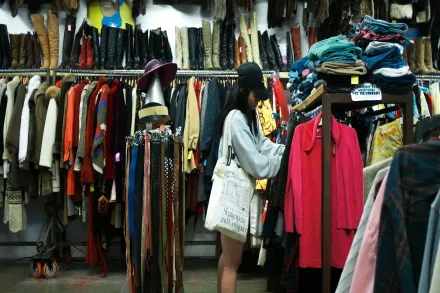
Shopping with a second-hand mindset offers more than savings; it opens a conversation with history, craft, and the chance to curate belongings that fit personal values. People who embrace second-hand shopping discover that the act is as much about discipline as it is about discovery. It requires patience, routine, and a willingness to sift through numerous items before finding those that align with needs, style, and budget. The goal is not to buy indiscriminately but to build a reliable pipeline of goods that hold up, perform well, and carry le...
Human spending is rarely driven by a single decision made in isolation. It unfolds through patterns that repeat, adapt, and drift as life changes. Overspending patterns are not simply about losing control in a single moment; they are about a constellation of habits, signals, and triggers that push a person toward buying more than is sustainable. To spot these patterns, a reader must cultivate a patient, analytic mindset that treats spending as data rather than as a purely emotional act. The first step is to distinguish between purposeful expend...
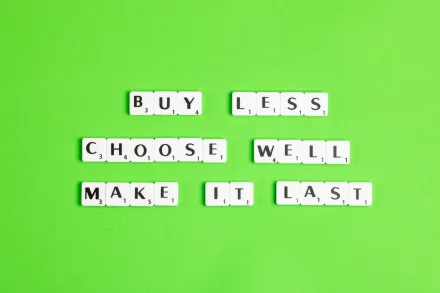
Impulse buying is a familiar friction in the rhythm of everyday shopping, a moment when a purchase is driven more by mood, novelty, or a sensory cue than by deliberate need. People often enter stores or browse online with a vague sense of desire and exit with a receipt that raises questions about where the restraint went. The key to taming this tendency lies not in denying oneself the occasional treat, but in shaping a decision process that introduces time, distance, and clarity between desire and purchase. A thoughtfully designed wish list act...

In every home, careful attention to routine maintenance acts as a quiet investment that pays dividends in comfort, safety, and long-term value. The aim is not to chase every latest gadget or expensive service but to build a practical approach that minimizes waste, extends the life of essential systems, and fits within a realistic budget. By embracing preventive care, homeowners can prevent small issues from becoming costly emergencies, and this is especially important in households where resources are tight or where repairs could disrupt daily ...

Understanding the path to saving money on home appliances begins with a clear awareness of how prices are formed, how energy costs influence long-term ownership, and how timing can dramatically shift the final amount paid. When families shop for refrigerators, washing machines, ovens, dishwashers, and small gadgets, they often fixate on the upfront sticker price and forget to factor in the broader economic picture. The true cost of an appliance is not merely the price tag but a combination of initial payment, delivery and installation charges, ...