Short-term rentals operate at the intersection of personal property ownership, hospitality expectations, and local regulatory frameworks. They typically involve listing a residence or a portion of a property for a time period shorter than a traditional lease, often measured in days or weeks rather than months. With this model, the occupants change frequently, which creates unique risk dynamics compared to long term tenancies. Insurance becomes not just a financial shield but a structured plan that helps hosts manage the possibility of property ...
Insurance

An insurance exclusion is a defined statement within a policy that removes or limits coverage for certain losses, events, circumstances, or items that otherwise might seem to fall under the broad umbrella of protection offered by the contract. Exclusions are a standard feature in most types of insurance, from property and casualty to life and health plans, and they play a crucial role in shaping the scope of protection the policy provides. By specifying what is not covered, exclusions help insurers assess risk, determine premiums, and manage th...

Smart contracts are programmable agreements that execute when predefined conditions are met, and they have the potential to transform how insurance products are designed issued managed and settled. In the insurance domain these contracts operate on a distributed ledger that records terms, premium payments, policy events and settlements in a tamper resistant and auditable manner. The essence of their value lies in automating routine tasks enabling speed and accuracy while reducing reliance on midstream processes that traditionally introduce dela...

Online insurance comparison tools have transformed the way consumers approach purchasing coverage, offering a veneer of objectivity, speed, and breadth that earlier generations could only dream of. They promise to distill complex products into clear numbers and side-by-side comparisons, letting busy households skim several quotes in a matter of minutes. Yet beneath the glossy interfaces and neatly sorted fields lie gaps that can distort understanding, misplace risk, and leave buyers vulnerable to choices that look reasonable at first glance but...

Renters insurance is designed to protect tenants from the financial impact of property loss or liability arising from incidents within a rental dwelling. A claim is the formal request you make to your insurer to reimburse or repair for covered damages, losses, or liability events. The process typically begins when you experience a fire, water damage, theft, vandalism, or other insured perils outlined in your policy, and it ends when the insurer approves compensation and the claim closes. Understanding both the coverage you purchased and the ste...

Social insurance systems are designed to pool risk, distribute income during life transitions, and provide a basic floor of security against the shocks of illness, unemployment, disability, old age, and death. They emerged from a mixture of humanitarian impulses, labor organizing, and state building, and they operate through collective contributions rather than private charity alone. In most countries, workers and employers participate, while in others the state plays the dominant role, balancing universal access with targeted support for the m...

Insurance is designed to be a steady financial shield, a promise that protection will be in place when mishaps or unforeseen events occur. A lapse in insurance coverage interrupts that promise, leaving a window where a policy no longer provides protection and a person or a business may face exposure to risk without the safety net that premiums are meant to sustain. This article explores what a lapse is, how it happens, why it matters, and the practical steps people can take to prevent lapses or to recover quickly if one occurs. By looking at co...
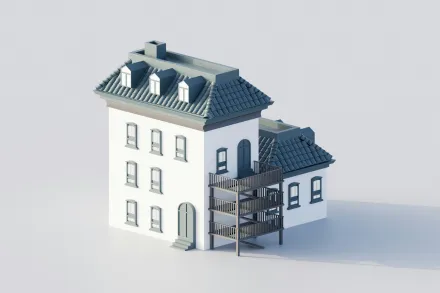
Landlord insurance is a specialized form of property and risk protection designed to cover rental properties and the people who own them. It integrates several layers of coverage that respond to the unique exposures of letting a dwelling, whether it is a single family home, a multi unit building, or a portfolio of rented properties. The core idea is to provide financial resilience against events that can disrupt rental income, damage structures, or expose the owner to liability arising from tenant activities or third party incidents. This kind ...

Jewelry is more than adornment; it is often a repository of personal history, a family heirloom passed down through generations, or a carefully curated collection built over years through research, patience, and an appreciation for craftsmanship. Despite the beauty and emotional significance of wearable treasures, they carry a very real financial risk. Jewelry values can be substantial, and the consequences of loss, theft, or irreparable damage can extend beyond a single purchase price. This is where jewelry insurance steps in as a thoughtful f...

Trip cancellation and trip interruption insurance are two types of coverage designed to protect travelers from financial losses tied to changes in plans related to a trip. At their most fundamental level, trip cancellation covers nonrefundable costs if you cancel before you depart, while trip interruption covers costs if your trip is interrupted after you have already begun travel. These coverages can be sold separately or together as a bundled policy, and they are built around reimbursements for nonrefundable components of your itinerary such ...