In modern economies, uncertainty is a constant companion. Households, firms, and governments face a complex web of risk arising from weather shocks, health emergencies, technological disruptions, and financial volatility. Insurance functions as a formal mechanism that channels resources toward risk mitigation and resilience. By shifting the burden of loss from individuals and organizations to a broader pool, insurance helps stabilize consumption, investment, and output, particularly when shocks would otherwise threaten the viability of business...
Insurance

Renovations transform more than the aesthetics of a dwelling; they alter the risk profile that insurance providers assess when pricing a policy and when deciding what coverage to extend. Even modest improvements can influence the way a household is evaluated for risk by underwriters, because changes in construction materials, systems, and layout can affect fire risk, water damage potential, structural integrity, and overall resilience against natural hazards. When homeowners embark on a project, they should anticipate that their current coverag...
Product liability insurance is a cornerstone of risk management for companies that design, manufacture, distribute, or sell goods. It is designed to absorb some of the costs that arise when a product causes harm to people or property. The legal and financial exposure from product-related claims can be substantial, and even careful businesses can face expensive lawsuits, recalls, and regulatory investigations. By transferring part of that risk to an insurer, a company gains a cushion that can preserve cash flow, protect brand value, and support ...
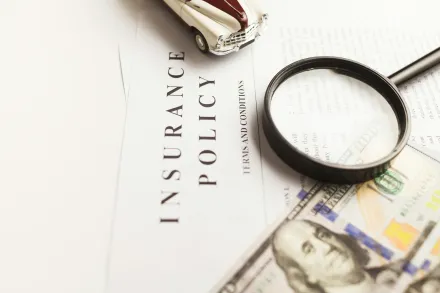
An insurance policy is more than a catalog of benefits; it is a formal contract that determines what is protected, under what conditions protection applies, and how complaints or losses are resolved. When you begin reading a policy, you are tracing a chain of promises that the insurer makes to you, the insured, and you are learning how those promises translate into real-world protection for your family, your home, your car, or your business. The everyday value of a policy emerges only when you understand the structure, the defined terms, and th...
Group insurance plans are designed to cover large numbers of people under a single policy framework, typically facilitated by employers, associations, unions, or umbrella organizations that bring together diverse individuals into a common program. The central idea behind group coverage is risk pooling. When a large and varied population participates, the average claim experience tends to stabilize, allowing coverage to be offered at lower premiums and with more favorable terms than would be feasible for individual applicants with identical need...
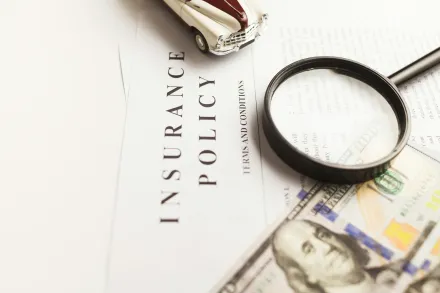
The moment a job ends, a cluster of concerns rises with immediacy and intensity, and among them the fate of health insurance often sits near the top. People worry not only about bills and income but also about staying protected from illness, accidents, and ongoing medical needs. Understanding what happens to insurance after job loss involves tracing a path through employer coverage termination, government programs, private market options, and the practical steps that keep people covered while they navigate uncertainty. This exploration aims to ...

Understanding primary vs. secondary insurance is essential for anyone navigating healthcare, vehicle, or property coverage because these terms determine who pays first, how much, and under what conditions. In many everyday situations, people assume the policy that feels most protective should pay first, but the reality is governed by formal rules called coordination of benefits that different insurers apply to protect beneficiaries from paying twice for the same service while ensuring providers receive fair compensation. The interplay among pla...

When you file an insurance claim, you initiate a process that blends meticulous policy interpretation with practical logistics and human judgment. The journey from that initial notification to a final settlement or decision is rarely a single moment of revelation; rather, it unfolds through a sequence of steps that involve the insurance company, sometimes third party providers, and your own documentation and communication. The overarching purpose is to determine what is covered under your policy, assess the extent of the loss or damage, determi...
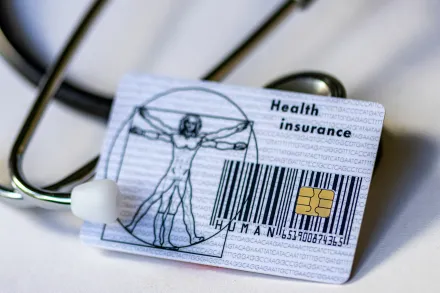
Loyalty discounts in insurance represent a strategic approach by providers to reward customers who remain with a company over time, often coupled with demonstrations of lower risk or a stable relationship. These discounts are not merely marketing gimmicks; they are part of a broader framework that ties retention, risk management, and long term profitability into a single pricing decision. For policyholders, loyalty discounts can translate into meaningful savings that compound over the life of a policy or across multiple lines of coverage. At th...

Backdating in insurance refers to the practice of dating an insurance contract, policy endorsement, or underwriting decision with an effective date that is earlier than the actual date on which the insurer formally approved the arrangement. This retroactive dating can affect when coverage begins, when benefits are available, and how premiums are calculated. In many cases backdating is presented as a tool to help a policyholder align coverage with a significant life event, such as the moment a policyholder learns of a medical condition, the date...