In the moments after an auto accident, your priority is safety and ensuring everyone involved is out of harm's way while seeking medical attention if necessary. This is the stage where calm, clear thinking can prevent injuries from worsening and preserve crucial evidence for a potential insurance claim. If the situation allows, move vehicles to a safe place, engage warning signals, and avoid discussing fault at the scene. It is wise to contact emergency services when there is injury or substantial property damage, and even when injuries seem mi...
Insurance
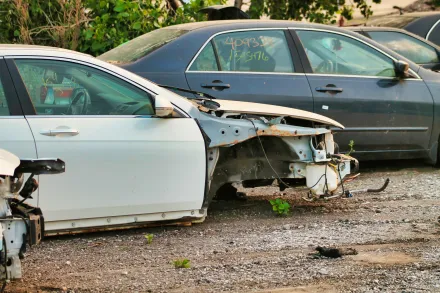

Credit scores play a quiet yet powerful role in how insurers price policies, shaping what many people pay for auto, homeowners, renters, and even some specialty coverages. The link between credit and insurance rates is not about judgment of character or luck, but about statistical correlations between financial behavior reflected in credit histories and the likelihood and cost of future claims. This article explores how credit scores are used in pricing, why insurers rely on them, how different lines of insurance treat credit information, what ...

Disability insurance is a form of financial protection that replaces a portion of earned income when illness or injury prevents a person from working. It is designed to cover living expenses, medical costs not covered by other programs, and ongoing commitments such as debt payments and family support. While most people understand the general idea of health coverage, disability insurance focuses specifically on income continuity in the face of disability, which can arise from accidents, chronic conditions, or sudden health events that temporaril...

Homeowners insurance is a form of protection that provides financial safeguards for people who own homes against damage to the dwelling and the belongings inside, along with a layer of liability protection that can cover injuries that occur on the property. It is not a single policy but a bundle of coverages that can be customized to reflect the location, the type of home, the value of the contents, and the level of risk. When people ask what homeowners insurance does, the answer is that it offers both a shield against unpredictable events and ...
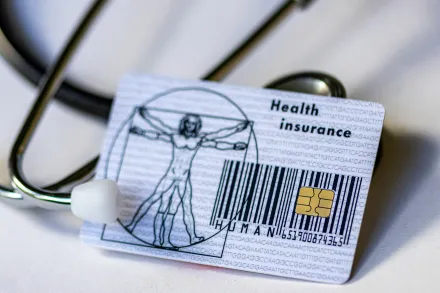
A health insurance copay is a fixed amount you pay out of pocket for a medical service at the time you receive care. It is a simple, predictable feature of many health plans that helps you budget for routine visits and familiarizes you with the cost of care before a claim is filed. Copays are typically paid directly to the provider or pharmacy and are separate from other cost-sharing components in a plan, such as deductibles, coinsurance, and out-of-pocket maximums. The copay is part of the broader system that divides responsibility for medical...
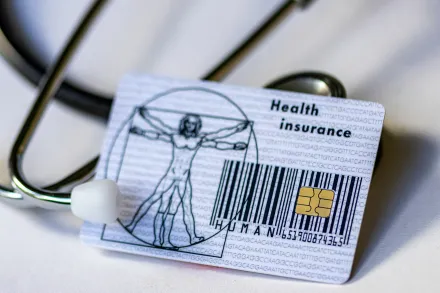
Health insurance is often described as a safety net that protects people from catastrophic medical costs, yet the reality of what is covered can be complex and confusing. Most plans include a broad framework of protections, but they also carry a set of exclusions, limitations, and conditions that determine what is paid for and what remains the patient’s responsibility. The gap between what people expect and what is actually reimbursed can be wide, and that gap is shaped by factors such as plan type, employer choices, geographic location, and th...

Renters insurance is a practical safeguard designed for people who live in rental housing and want reliable protection for their possessions and for potential financial liabilities. It exists in the familiar space between personal property coverage and liability insurance, offering a way to replace what is lost or damaged and to cover costs that arise if someone is injured in your home or if you accidentally damage someone else’s property. The policy is distinct from the landlord’s own property insurance, which typically covers the building str...
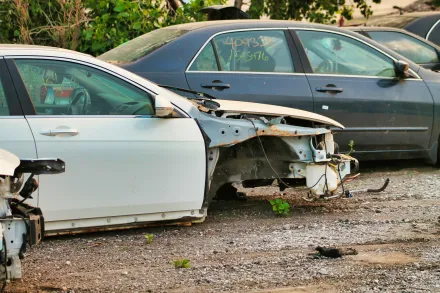
Uninsured motorist coverage is a protection designed to bridge a gap that can arise when the driver who injures you or damages your property either does not have enough insurance or has no insurance at all. This kind of coverage is part of many auto insurance policies and can function as a safety net in situations where the at fault driver cannot fully compensate you for medical bills, lost wages, rehabilitation costs, and other damages. The intent behind uninsured motorist coverage is not to replace the at fault driver’s responsibility but to ...

Choosing an insurance policy often feels like navigating a labyrinth of numbers, terms, and promises. The moment you request quotes from different providers, you start a process that goes far beyond the initial premium figure. What matters most is not the lowest price alone but the overall value you receive for the money, including protection you can rely on when an unexpected event occurs. To compare quotes correctly, you need a clear understanding of your own risks, a precise sense of the coverage you require, and a disciplined method for eva...

Umbrella insurance is a form of liability protection designed to sit above and extend the coverage provided by your primary insurance policies. In practical terms it acts like an extra safety net that can catch you when your existing policies reach their limits or when claims involve lines of liability your standard coverage does not fully address. The core idea is simple yet powerful: shield your personal assets from the financial consequences of large claims or lawsuits that could arise from everyday activities, accidents, or unforeseen event...