Liability claims arise when one party seeks compensation for harm or loss caused by another party's actions or omissions. These claims may stem from accidents, professional mistakes, product defects, or dangerous conditions, and they hinge on establishing a combination of responsibility, causation, and measurable harm. In many jurisdictions the process begins with an assertion of fault, followed by a careful gathering of facts, documentation of injuries or losses, and an evaluation of legal theories such as negligence, strict liability, or brea...
Insurance


In the complex environment where commercial ventures operate, insurance serves as a strategic tool that converts uncertain risks into manageable costs. It is not merely a compliance exercise or a bureaucratic requirement but a deliberate choice that protects cash flow, reputation, and operational continuity. Business owners weigh potential losses against the premium they pay, and in doing so create a shield that helps weather unexpected events, lawsuits, or disasters. The essence of business insurance lies in transferring the financial burden o...
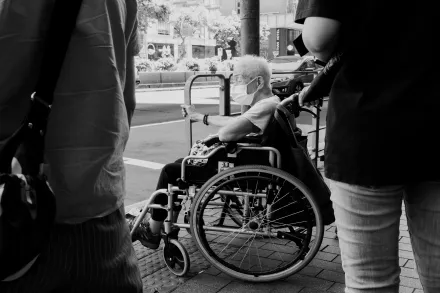
Disability insurance is a financial protection mechanism that replaces a portion of earned income when illness, accident, or disability prevents an individual from performing work duties. In practice, most people encounter two broad categories that serve this protective function when the need arises: long before a disability becomes permanent there is a short window of time during which benefits may begin, followed by the longer horizon of long term disability coverage that can extend for years. The seam between these two types is not just a ma...

In the realm of liability protection and risk management, the phrase additional insured denotes a shift in who has a stake in an insurance policy. It is not a single policy product on its own but a term used in two distinct ways: it can describe a contractual arrangement where one party asks another party to extend coverage to their interests, and it can describe a formal designation within a liability policy that broadens protection beyond the named insured. When a party is added as an additional insured, they receive the benefits of the polic...

Personal insurance is a carefully constructed framework rather than a collection of isolated products. It operates like a map that translates risk into practical protection, balancing what could happen with what you can afford to carry forward. A complete strategy recognizes that risk is not only about the possibility of dramatic events but also about everyday episodes that could disrupt income, affect health, or erode assets over time. This approach treats insurance as a dynamic partner in financial planning, aligned with earning goals, family...

Vision insurance is a specialized form of coverage designed to help people manage the costs associated with eye care, eyewear, and related services. It functions differently from standard medical insurance, focusing on routine eye examinations, eyewear purchases, and sometimes vision therapy or contact lens fittings. The structure of vision plans varies widely by insurer, but most plans share a core goal: make essential eye care more affordable and accessible for individuals, families, and employees through employer programs or individual marke...

In modern pet care, pet insurance has become a growing option for households seeking financial predictability when veterinary care becomes necessary. Pet owners often face surprise costs after accidents or sudden illnesses, and the price tag for advanced diagnostics, surgeries, and ongoing treatment can be daunting. A good pet insurance plan aims to share those costs and reduce the risk of making a difficult care decision due to financial constraints. This article explains what pet insurance is, how it works, what coverage typically includes an...
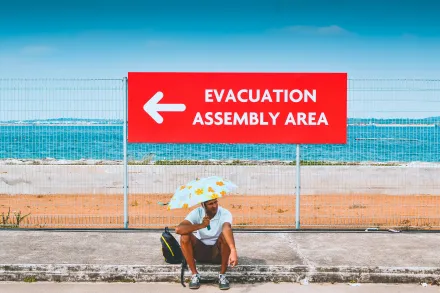
Medical evacuation insurance is a specialized form of coverage designed to respond when medical needs arise far from familiar healthcare systems or when the level of care available locally is insufficient. It functions as a bridge between a routine health policy and the complex logistics of moving a patient across distances, often involving air transportation, medical supervision, and coordination with hospitals that can provide the level of treatment required. For travelers, expatriates, and international workers, understanding how this covera...

In the landscape of personal finance, life insurance is often viewed primarily as a safety net for dependents rather than a potential builder of wealth or liquidity. Yet many policy designs carry a built in component that can accumulate cash over time. This cash value is not simply a stubborn account balance; it represents a living feature of certain types of life insurance that can be accessed, managed, and leveraged under specific circumstances. Understanding how cash value develops, how it interacts with the policy's mechanics, and how it ca...

Risk is an ever present force in both personal and organizational life, riding on the uncertainties that accompany every decision, every project, and every moment of change. In the contemporary world risk is not a single phenomenon but a tapestry woven from multiple strands: physical, financial, operational, technological, regulatory, and reputational. The roles that insurance plays within this tapestry are neither static nor merely transactional; they are dynamic components of a broader strategy to anticipate, absorb, and adapt to the unknown....