The way you think about money shapes every choice you make long before you sit down with a budget or open a bank app. A strong money habit begins not with a pile of numbers but with a quiet shift in identity, a decision to see yourself as someone who respects resources, plans for the future, and acts with intention rather than impulse. When you begin to tell yourself that financial discipline is part of your character rather than a temporary restriction, you create a stable platform on which all practical techniques canstand. This mindset invit...
Personal Finance


In families, money often feels like a private or even secret topic, something discussed behind closed doors or left to a single adult to manage. A different approach can transform money from a source of stress into a shared adventure that teaches responsibility, patience, and cooperation. When money goals are framed as a family project rather than a solo task, every member sees how choices today shape opportunities tomorrow. This shift changes the dynamics of everyday spending and saving from a series of isolated decisions into a coherent story...

Spending patterns do not arise in a vacuum; they are the product of a complex mix of childhood lessons, social influences, available resources, and the immediate emotional states that accompany daily life. When a person grows up in an environment where money is scarce or where shopping is used as a currency of expression, the brain begins to associate purchases with relief, reward, or even identity. This association can become automatic, a kind of mental shortcut that triggers a practiced response whenever a cue appears, such as a sale sign, a ...

In a world saturated with budgeting apps and sophisticated software, the skill of understanding how money moves through your life without relying on external tools can be both empowering and grounding. This article explores a disciplined, reflective approach to analyzing spending using only your attention, a notebook, and honest observation. Rather than chasing precision, the aim is to cultivate awareness that informs smarter decisions and removes the mystery from everyday purchases. By learning to read the stories your money tells, you can rev...

In the realm of personal finance a spending system serves as both compass and engine, guiding choices while organizing data into meaningful insight. A personalized system recognizes that every person carries a distinct rhythm of income, obligations, values, and temptations. It is not merely a set of rules etched in stone but a living framework that adapts to changing circumstances, from bursts of income to unusual expenses. By anchoring decisions in a system tailored to an individual lifestyle, one moves from reactive spending to proactive stew...
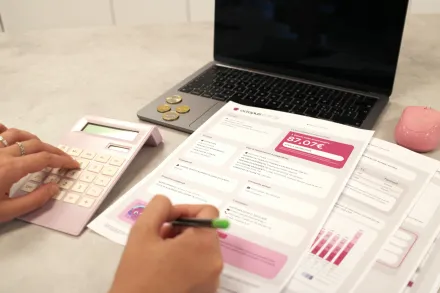
Digital organization of personal finances transforms a routine responsibility into a coherent system that supports clarity, confidence, and growth. When you move beyond scattered receipts and ad hoc spreadsheets, you create a framework that aligns your everyday cash flow with your longer-term goals. This journey is less about chasing the newest app and more about building a resilient structure that protects sensitive information, makes it easier to review your financial picture, and reduces the friction that often leads to missed opportunities ...

Embarking on your first professional role marks the start of a journey where independence, responsibility, and opportunity intersect in practical ways. The money choices you make in those early years shape not only your current comfort but also your future options, from buying a home to funding education, starting a family, or pursuing a dream venture. Smart money habits are not about deprivation or radical austerity; they are about building dependable routines that translate a modest paycheck into meaningful progress. The goal is to establish ...

Moving to a new country carries a profound array of financial implications that extend beyond packing lists and visa paperwork. The moment you set a plan in motion, you begin to untangle how money moves across borders, how to protect it, and how to design a strategy that remains flexible as circumstances change. A thoughtful approach starts with building a clear picture of your current finances, then translating that picture into a practical plan that can adapt to shifts in exchange rates, tax rules, housing costs, and employment opportunities....
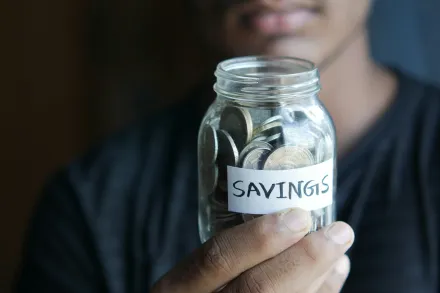
Saving money is a deliberate practice that blends discipline with practical strategy, and it often faces hidden traps that can erode progress before momentum takes hold. In this exploration, the aim is to illuminate the subtle missteps that people commonly stumble into and to offer clear, actionable guidance that can withstand the pressures of daily life. The core idea is to move beyond vague intentions and toward a steady, resilient approach that protects wealth over time, adapts to changing circumstances, and preserves the freedom to make mea...
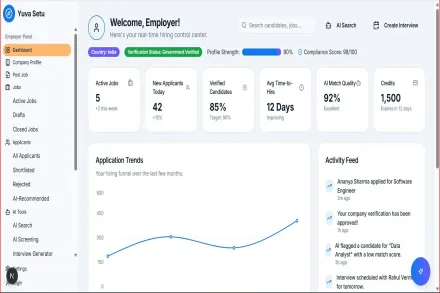
A personal financial dashboard is more than a pretty collection of numbers on a screen; it is a living map of money flows, priorities, and progress that helps a person make informed choices in real time. By assembling data from multiple sources into a single, coherent view, the dashboard becomes a narrative of financial health that explains where money comes from, where it goes, and how decisions today shape tomorrow. The aim is not only to present raw figures but to translate them into meaningful insights that support confidence, reduce anxiet...