A Money Map is a living blueprint that translates the flow of money in your life into a concrete, navigable path toward your most cherished goals. It binds together income, expenses, savings, and investments with your values and future aspirations in a way that feels tangible rather than theoretical. Think of it as a compass and a calendar all at once, guiding decisions today while anticipating the needs and possibilities of tomorrow. In practice it helps you imagine where you want to be in five, ten, or thirty years and then traces the steps r...
Personal Finance

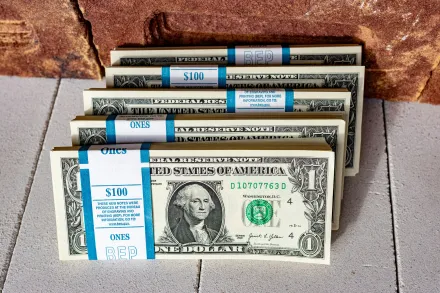
In the landscape of personal finance, creating routines that endure is less about heroic self discipline and more about shaping environments, narratives, and daily patterns that naturally align with your goals. Money routines that stick are not dramatic upheavals but quiet, persistent practices that weave into the rhythm of ordinary days. They emerge when you respect how people think, act, and respond to rewards, cues, and consequences. This article explores a thoughtful approach to building money routines that endure, offering a steady path fr...

In households around the world, money is more than a collection of coins and bills; it is a language that communicates values, priorities, and shared responsibilities. When a family sits together to discuss money and to establish clear rules, they are not merely creating a budget, they are creating an environment in which trust, respect, and accountability can flourish. The process can feel daunting, especially when incomes vary, desires pull in different directions, and the daily friction of spending and saving surfaces in conversations that c...

In the fast evolving world of personal finance, digital tools offer a broad array of possibilities to simplify, organize, and optimize money decisions. Yet the sheer number of apps, platforms, and services can make the process feel overwhelming. The core idea behind digital finance is not to replace judgment but to illuminate it with data, automate repetitive tasks, and provide reminders that help you act consistently. This article explores a practical approach to selecting, integrating, and using digital tools in a thoughtful way that reduces ...

Living below your means does not mean erasing joy or turning away from comfort. It means aligning your daily choices with your values while creating space for future security. A frugal mindset starts with a quiet honesty about money: recognizing that scarcity is rarely solved by a sudden windfall, but by consistent, thoughtful actions over time. When you approach money as a tool rather than a source of identity, you begin to see opportunities where others see limits, and small, deliberate adjustments compound into meaningful freedom.

Understanding your spending habits begins with a quiet, honest examination of the moments when money leaves your hands and enters the hands of others. It is not merely about tallying receipts, but about tracing the emotional and cognitive pathways that lead to a purchase. When you become aware of patterns such as purchasing on impulse after scrolling through social feeds, or choosing familiar brands when pressure mounts, you gain a map of your own behavior. This map helps you anticipate future decisions and create protective structures that kee...

Financial resilience is more than a set of numbers on a balance sheet; it is a way of relating to money that emphasizes adaptability, prudence, and the capacity to absorb shocks without losing sight of long term goals. It rests on the idea that income, expenses, savings, and risk management are not isolated concerns but interwoven strands of a larger fabric. When a person or household can withstand sudden disruptions in income, unexpected medical bills, or economic downturns, they preserve not only financial resources but also emotional balance...

Saving money often feels like a difficult choice made in the moment and then carried out with discipline in the future. Yet the true power of saving comes not from sheer willpower but from shaping environments and routines that remove friction. When you understand that the brain is motivated by momentum and friction is a barrier, you can design systems that create positive feedback. Automatic saving works because it turns an intention into an action without dragging your attention away from immediate wants or urgent expenses. By reducing the co...

Any meaningful plan begins with a clear map of where you stand today. To prepare for retirement ahead of schedule you must chart not only your assets and liabilities but also the rhythms of your income and your daily spending. A thorough snapshot includes current savings balances across retirement and nonretirement accounts, outstanding debts such as mortgages student loans and credit cards, and the real value of investments after fees and taxes. It also means evaluating the consistency and reliability of your income streams whether you are emp...

In a single week you can transform the way you approach money by aligning your everyday actions with a clear strategy. This guide walks you through a practical journey that starts with awareness and ends with a sustainable rhythm. The goal is not to overwhelm but to simplify, to replace chaos with a system that fits your life, values, and responsibilities. By focusing on small, meaningful steps you can make a durable dent in clutter, debt, and confusion, and you can begin to see money as a tool rather than a source of anxiety. With attention an...