Budgeting is often treated as a purely mathematical exercise, yet the most persistent obstacles arise from the way people think and feel about money long before any numbers are drawn on a page. The moment money enters the consciousness, emotions, memories, and habits start to shape decisions in ways that simple spreadsheets cannot capture. Cognitive biases creep in and distort judgment, creating a sense that small deviations are harmless while large, invisible patterns gradually erode financial stability. When individuals rely on willpower alon...
Personal Finance


Every month a familiar pattern repeats itself for many people: the paycheck arrives with a flurry of promises, bills are due with clocklike precision, and by the time the next paycheck comes, the cycle has already begun again. This phenomenon, often described as living paycheck to paycheck, is not simply a matter of income level but a blend of budgeting gaps, emotional spending, and the friction that arises when expenses outpace revenue. Understanding the mechanics of this cycle is the first step toward breaking free. It is not a moral failing ...
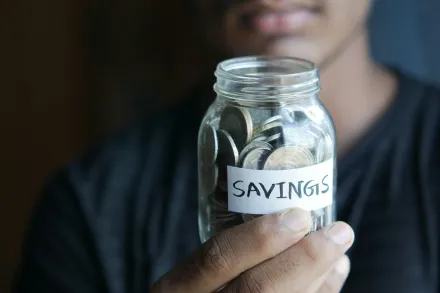
Building a long term saving strategy is not a single action but a deliberate habit that grows with time. It combines disciplined budgeting, thoughtful goal setting, and an understanding of how money behaves over the decades. The core idea is to create a plan that protects against unexpected shocks, protects future purchasing power, and leverages the power of compounding so that modest consistent actions can grow into real wealth. This approach requires clarity about what you want to achieve, how soon you want to reach it, and what you are willi...

When a household budget starts to fray, the sense of control that once came from a clear plan can feel distant and unreliable. A budget can break for many reasons, from sudden life events such as medical bills or job changes to the quiet, persistent drift of everyday spending that quietly exceeds income. The first step in repairing a broken budget is recognizing that the problem is not a personal failing but a dynamic situation that can be understood and corrected with patient analysis and deliberate action. A well tended budget acts as a compa...

Recovering from a financial mistake is rarely a single act; it is a process that mixes emotional management, practical decision making, and a renewed sense of control over money. The experience can feel humbling, yet it also provides a powerful opportunity to build more resilient habits, sharpen judgment, and align daily actions with larger personal values. This article explores a comprehensive path to move forward after a financial misstep, focusing not on blame or shame but on clarity, accountability, and steady progress that compounds over t...

Every day, a quiet voice inside many people whispers that the right moment to take control of money will arrive with perfect clarity and certainty. In reality, the moment rarely comes with the dramatic light show we imagine. Instead, procrastination lives in the margins of our routines, dressed in excuses about being too busy, too tired, or too overwhelmed to face numbers that feel unforgiving. When a person looks at a bank balance or a debt statement, the mind can react with a mix of fear, confusion, and a sense of impossibility. That reaction...

Every meaningful reinvention begins with an unvarnished look at the current state of affairs. This is not a battle against numbers but a thoughtful conversation with the life you are living today and the life you want to inhabit tomorrow. Begin by gathering the tangible records that reveal pattern and flow: bank statements, loan balances, investment statements, credit card activity, insurance policies, and any recurring payments that sneak into your calendar like quiet weeds. The aim is to create a living portrait that shows not only balances b...

A low-stress money plan is not a rigid script that unfeels like a jail sentence or a list of impossible demands. It is a living, breathing approach to money that honors your real life and your actual feelings about money. It begins with a simple belief: you do not need to chase perfection to make steady progress. Instead you cultivate habits that align with your values, your schedule, and your energy. This is not about depriving yourself or chasing dramatic gains with high risk; it is about creating a modest, predictable rhythm that steadily im...

Financial independence is not a single destination or a secret formula whispered by a guru. It is a lived condition where your money works for you in the ways that matter most, so you can choose how to spend your days rather than trading time for a paycheck as your only means of survival. At its heart, financial independence is about autonomy: the freedom to set priorities, to align daily choices with long term values, and to weather life’s inevitable uncertainties without being forced into unwanted compromises. The path toward this autonomy ma...

Building financial confidence begins with a clear understanding that money is a tool for living a life that matters, not a source of anxiety that dominates every choice. Confidence grows when knowledge fills gaps, when actions align with intentions, and when you can describe your financial picture with calm clarity rather than fear. In practice this means developing a personal narrative that you can trust, one built from honest observation, small wins, and a willingness to learn from missteps. Financial confidence grows as you move from reactio...