In an era where payment processing speeds are measured in milliseconds and the footprint of each transaction can be traced with careful digital discipline, many people face the question of how to move from reliance on physical cash to the realm of digital money in a thoughtful, secure, and practical way. The shift is not simply a matter of embracing the latest gadget or wallet app; it is an opportunity to reframe financial habits, improve budgeting, and reduce reliance on a single method of access to funds. Yet the transition can also raise leg...
Personal Finance


In a world saturated with choices, advertising, and rapidly shifting prices, making spending decisions that feel deliberate and aligned with personal values is both an art and a disciplined practice. The challenge is not merely about saving money in the short term but about cultivating a way of engaging with money that reduces the emotional charge of shopping, minimizes regret, and leaves room for the things that truly matter. This is not about austerity or denying yourself small pleasures, but about creating a framework that allows you to allo...

Every day presents a stream of choices that can accumulate into a substantial impact on personal finances over months and years. The scale of these decisions ranges from the mundane to the consequential, yet what matters most is not the grand gestures but the steadiness of daily actions. When you bring intention to ordinary moments such as whether to borrow, what to buy, or how to save the next paycheck, you begin to tilt the financial odds in your favor. The key lies in building a practical framework that works in real life, a framework that r...

Building a personal finance system that can run itself begins with a clear understanding of what you want your money to do for you over time. It starts with a philosophy about autonomy and responsibility, a recognition that automation is not magic but a carefully designed sequence of decisions, triggers, and safeguards. In practice this means defining the outcomes you care about, such as freedom from debt, steady accumulation of savings, predictable cash flows, and room to invest in meaningful experiences. It also means making peace with the id...

In contemporary life money shapes many interactions, and the way we handle financial matters with the people around us can influence the texture of relationships as much as shared experiences or daily habits. Financial boundaries are not attempts to isolate ourselves or to police others, but rather a mature practice of clarifying what we can and cannot provide, what we expect in return, and how we will protect our resources without harming the bonds we value. When boundaries are vague or neglected, generosity can bleed into fatigue, obligations...

The discipline of making sound financial decisions rests on more than arithmetic and charts. It combines careful information gathering with clear personal goals, disciplined execution, and a willingness to adjust as conditions change. At its core, improving financial decision making is not about chasing complexity but about building a reliable method that reduces needless error, raises the quality of choices, and aligns actions with long term values. This article explores a comprehensive approach to strengthening how you think about money, how ...

When two people decide to share their lives, money becomes more than currency; it becomes a reflection of values, priorities, and the trust they place in each other. The first step in managing money as a couple without fighting is to recognize that disagreements are rarely about numbers alone. They often stem from different upbringings, different risk appetites, and varying beliefs about security and autonomy. To move forward, couples need to cultivate a space where these beliefs can be named and examined with curiosity rather than judgment. Th...

Money plans are more than numbers on a page; they are commitments to behaviors that shape your daily life. Accountability acts as a bridge between what you intend to achieve and what you actually do when the alarm goes off in the morning and the urge to spend arises. Without accountability, plans become hollow, susceptible to drift, and easily displaced by distractions, urgent calls, and the comforting hum of routine that favors inertia over change. In this sense accountability is not about punishment or shame but about creating reliable feedba...
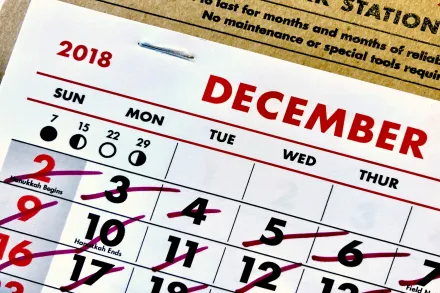
A financial calendar is more than a simple ledger or a scattered set of due dates. It is a thoughtfully designed map that aligns income events, expenses, obligations, and opportunities across the twelve months of the year, turning potential stress into predictable rhythm. When you approach this tool with care, you create a living framework that accommodates seasonal shifts, tax considerations, and personal or business goals in a single, coherent structure. The aim is not to create an inflexible schedule but to establish a reliable backbone that...
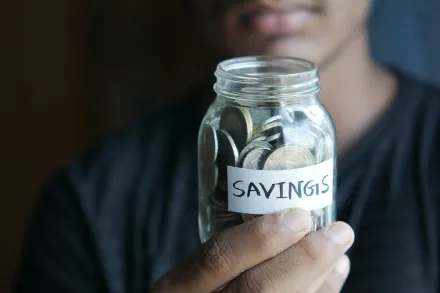
To begin the journey toward a higher savings rate without suffering through austere deprivation, it helps to reframe the goal as a strengthening of choice rather than a withdrawal from life. The aim is not to restrict joy, but to design a system where every dollar you earn has a clear and deliberate path toward support for your future, your goals, and the things you value most. When you view saving as an act of self-respect and empowerment rather than a cost you must endure, you begin to notice that small, steady adjustments feel purposeful rat...