DeFi promises programmable finance without intermediaries, but smart contracts at the core rely on data from outside the blockchain. Oracles perform the crucial role of feeding real-time price information, event outcomes, and other external signals into on-chain applications. Without reliable oracles, a DeFi protocol that depends on an external price could suffer adverse liquidations, incorrect collateral calculations, or failed settlements. In practice, the architecture of DeFi has evolved to treat oracles not as a single source of truth, but ...
Financial Technologies

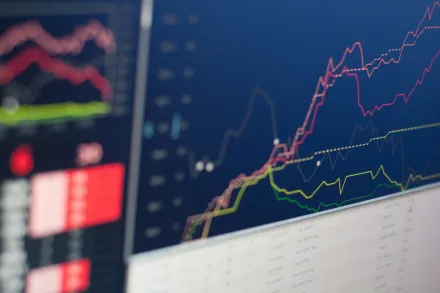
Climate risk analytics represents a disciplined approach to measuring, understanding, and managing the exposures that arise when environmental changes interact with financial markets, asset values, and the stability of institutions. In practice it blends climate science, economics, and advanced data science to translate complex weather patterns, regulatory developments, and technological shifts into actionable insights for risk managers, portfolio strategists, and executives. This discipline recognizes that climate dynamics can alter cash flows...
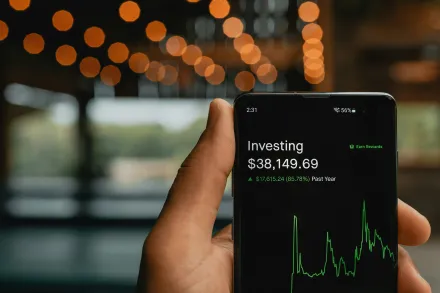
Automated rebalancing represents a convergence of financial theory, data science, and software engineering that enables digital wealth platforms to maintain disciplined asset allocation in the face of ever shifting market conditions and evolving client objectives. At its core, automated rebalancing is a systematic process that compares current holdings to a target mix, identifies the deltas, and executes trades to restore alignment with the predefined risk budget and return expectations. This capability is especially valuable in the digital wea...
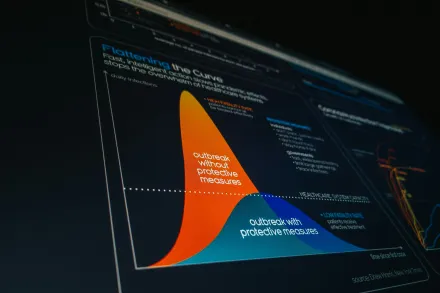
Parametric insurance platforms represent a shift in how risk is transferred, measured, and settled in modern markets. They move beyond traditional indemnity models that reimburse actual losses after an event and instead rely on predefined parameters or indices that trigger payouts automatically when specific conditions are met. This architectural change is not merely a technological upgrade; it is a reimagining of trust, data provenance, and settlement economics that enables faster responses, clearer pricing signals, and greater scalability acr...
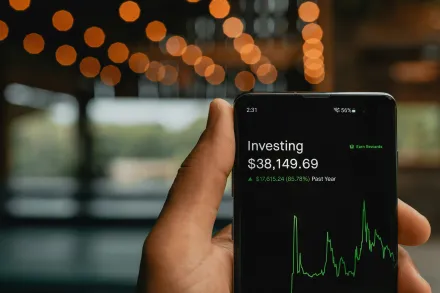
In the modern financial landscape, passive investing has evolved from a niche strategy pursued by a few disciplined savers into a mainstream approach that many households rely on for building long term wealth. The core idea remains simple: rather than trying to outguess the market, investors embrace broad market exposure through low cost vehicles such as index funds and exchange traded funds, allowing time, diversification, and compounding to work together. What makes this ancient impulse remarkably relevant today is the unprecedented access cr...

In the modern business environment, small and medium enterprises rely on digital accounting platforms to replace manual bookkeeping, tame a growing volume of transactions, and generate reliable insights. These systems have moved beyond simple ledger entries to become comprehensive ecosystems that handle invoicing, expense tracking, payroll integrations, tax compliance, and financial reporting. For owners and managers, the appeal is not merely automation but a promise of greater visibility, improved governance, and the ability to act quickly on ...

In recent years, budgeting apps have evolved from manual ledger entries to intelligent assistants that learn from behavior, financial patterns, and real-time data. The core promise remains the same: help people manage money more effectively, reduce stress, and create a pathway to lasting financial health. What has changed is the ability to process enormous amounts of data securely and translate it into actionable guidance through algorithms that adapt to each user. The phrase AI insights captures this shift: instead of generic rules, users rece...
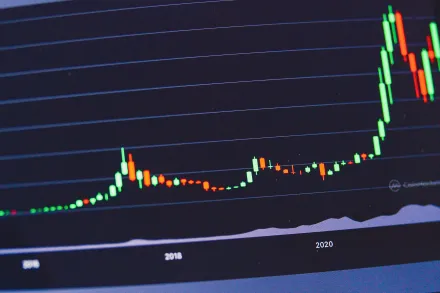
In modern financial markets, data arrives from more channels than ever before, and traders increasingly rely on signals derived not only from prices and volumes but also from the mood expressed in text. Sentiment analysis in algorithmic trading sits at the intersection of computational linguistics and quantitative finance, translating human opinions and emotions into numerical cues that can be incorporated into trading strategies. The appeal is intuitive: markets react to new information, and the way participants interpret that information is o...

Artificial intelligence has moved from the realm of science fiction into practical tools that many ordinary investors can employ. AI trading bots, once the preserve of large hedge funds and institutional desks, are now accessible to individual retail traders who want to participate in fast moving markets with systematic, rules based approaches. These bots use algorithmic decision making, pattern recognition, and data driven inference to analyze vast quantities of market information, identify favorable conditions, and execute orders with speed a...

Decentralized Finance, commonly abbreviated as DeFi, represents a sweeping shift in how financial services are built, accessed, and governed. It is not a single application but a sprawling ecosystem of protocols and platforms that run on public blockchains, with the goal of recreating the core functions of traditional finance in a more open, transparent, and programmable way. At its heart, DeFi seeks to remove unnecessary intermediaries, replacing trusted third parties with code that executes automatically when predefined conditions are met. Th...