Dividend reinvestment stands as a disciplined, long horizon approach to growing wealth through the power of compounding. It is not about chasing quick gains or chasing the hottest stock tips, but about steadily acquiring more ownership in profitable enterprises, and letting the cash returned as dividends be used to purchase additional shares rather than spent on immediate consumption. The result over years and decades can be a steady, accelerating growth in the value of a portfolio, even in markets that experience cycles of volatility and drift...
Investing


High-yield bonds, often colloquially referred to as junk bonds, occupy a unique niche in the fixed income universe. They are debt instruments issued by companies with lower credit ratings, typically below investment grade. The basic premise is straightforward: borrowers with weaker balance sheets or more uncertain earnings prospects pay higher interest to entice investors to take on greater risk. For many investors, this risk premium translates into what looks like a compelling starting yield, potentially attractive income streams, and the poss...
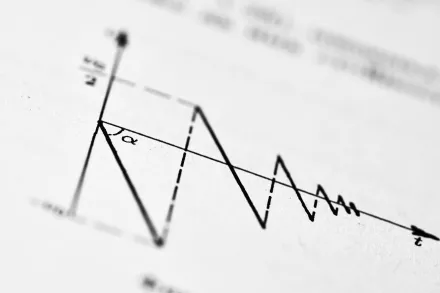
In the vast landscape of equity investing, two broad categories attract persistent attention from analysts and investors alike: cyclical stocks and non cyclical stocks. The nomenclature signals a fundamental distinction rooted in how a company’s earnings and cash flows respond to the ebbs and flows of the economy. Cyclical stocks are often tied to the rhythm of macroeconomic activity, showing pronounced sensitivity to expansions and contractions in gross domestic product, consumer confidence, and business investment. Non cyclical stocks, by con...

Dividends are one of the oldest and most visible channels through which a company returns capital to its owners. They appear as cash payments issued to shareholders on a regular schedule or as a special event that punctuates the investment calendar. The price of a stock intimately tracks the expected stream of future cash flows that investors anticipate from owning the company, and dividends form a portion of those cash flows. To understand how dividends affect price, it is essential to contextualize dividends not as isolated cash transfers but...
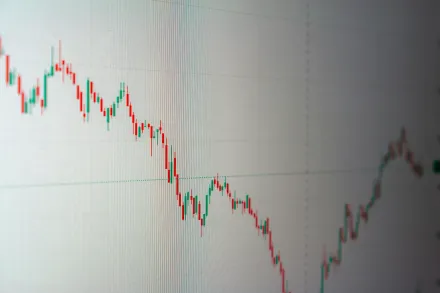
Understanding a stock chart starts with recognizing that it is a compact diagram of traded prices over time, a graphical representation that compresses complex market behavior into a form that human perception can grasp quickly. The chart does not predict the future with certainty, but it encodes information about supply and demand, momentum, and the balance between buyers and sellers. When you study a chart, you are looking for patterns that tend to recur under similar conditions, and you are learning to read the story told by the price as it ...
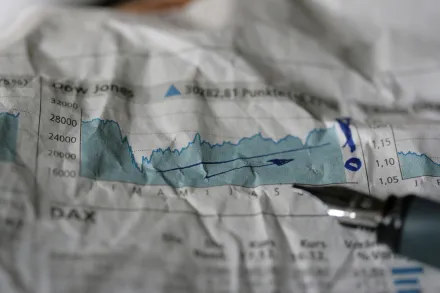
Macro trends describe large, persistent shifts in the global economy, society, and technology that unfold over years or decades rather than quarters. They emerge from underlying drivers such as demographic transitions, environmental constraints, technological breakthroughs, shifts in consumer behavior, and changes in policy across nations. For long-term investing, recognizing these enduring patterns helps investors align their capital with the structural changes shaping earnings, productivity, and asset prices. A macro perspective does not guar...

Stock screeners are powerful tools that help investors filter the vast universe of equities to identify those that fit specific criteria. They work by implementing user defined rules across a database of stocks, extracting real time or near real time data, and presenting a curated list that satisfies those rules. The core idea is to transform a broad market into a focused subset that aligns with your strategy, whether you are seeking growth, value, momentum, income, or a combination of factors. A well crafted screen can save hours of manual res...

Choosing a fund manager is a decision that reaches far beyond a snapshot of past performance or a glossy brochure. It represents an ongoing partnership in which the manager assumes responsibility for allocation decisions, risk controls, and the articulation of a clear investment philosophy that matches the goals and constraints of an investor. The process of evaluation blends quantitative scrutiny with qualitative judgment, recognizing that markets evolve, teams change, and a successful long term relationship rests on trust, transparency, and d...

Passive investing and active investing represent two distinct philosophies for how to build wealth in financial markets. In its essence passive investing seeks to capture broad market returns by owning a representative slice of the market, usually through low cost index funds or exchange traded funds that mimic a benchmark. Active investing, by contrast, relies on skilled judgment, research, and timely decisions to try to outperform the benchmark. The tension between these approaches has shaped investment practices, product design, and guidance...
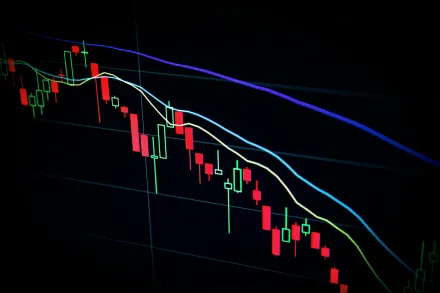
Fundamental analysis is a method that seeks to understand the intrinsic value of an asset by examining the underlying factors that drive its long term worth. It rests on the premise that markets may misprice assets temporarily due to noise, emotional trading, or information asymmetries, but over time the price tends to reflect a rational assessment of a business’s earnings power, asset base, cash flow generation, competitive position, management quality, capital structure, and the broader macroeconomic environment. In contrast, technical analys...