Defense stocks refer to the shares of companies that generate a substantial portion of their revenue from military and defense related programs. These securities include the large integrated defense primes that design and manufacture major weapon systems, ships, aircraft, missiles, and space platforms, as well as the smaller specialized suppliers that produce components, sensors, avionics, software, and repair services. The unique feature of these stocks is their sensitivity to government expenditure, where the primary customer is typically the...
Stock Market & Trading

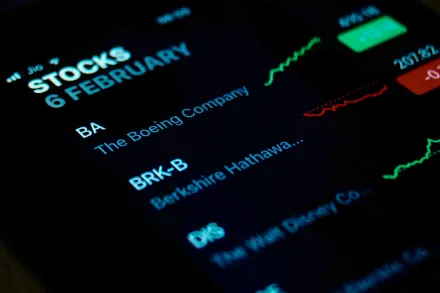
For many investors, the decision between using an individual retirement account or a workplace retirement plan hinges on a blend of tax advantages, long term strategy, and practical access to a wide range of investments. The topic of stock investing within tax advantaged accounts is especially important because it shapes the way capital gains, dividends, and compound growth unfold over decades. The core question is not simply which account offers more tax savings, but how each account integrates with a diversified stock investing plan that bala...
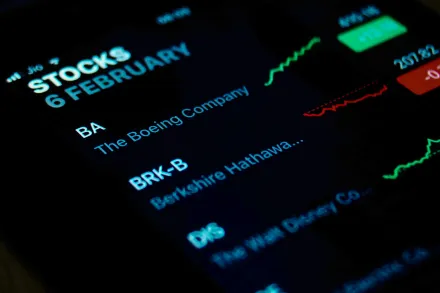
Investing in stocks offers the potential for growth and wealth creation, but unsystematic risk is the enemy of long term success. Diversification is the disciplined practice of spreading investments across different companies, sectors, geographies, and investment vehicles to reduce the impact of any single trade or event. The goal of diversification is not to chase the loudest bet or to predict every market move, but to construct a resilient framework that can weather a variety of market conditions while still providing a reasonable expectation...

Global financial markets operate in a continuous dialogue with interest rates, a dialogue that begins with central banks setting policy levels and extends through to the daily decisions of fund managers, individual investors, and corporate treasuries. The baseline idea is simple but powerful: the price of money today shapes the value of money earned in the future. When policymakers raise rates, the cost of borrowing rises, savings become more attractive relative to spending and investment, and the future cash flows of most businesses are discou...

Short selling is a financial practice where an investor borrows shares and sells them on the open market with the obligation to return the borrowed shares at a later date. The central idea is to profit from a decline in the price of the borrowed stock, capturing value as the price moves lower after the sale. This mechanism introduces a different dynamic into traditional investing, because profits are not driven by the appreciation of a security but by its depreciation. The appeal for some traders lies in the potential to hedge existing long pos...
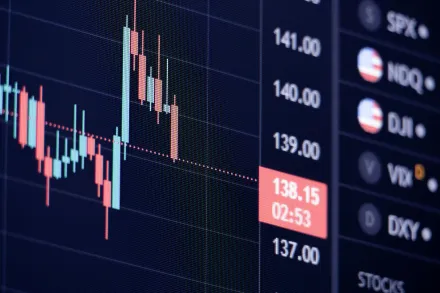
Options trading is a specialized form of financial activity built on contracts that grant a discrete right to buy or sell an underlying asset at a defined price within a fixed time window. The key idea is that the holder of an option pays a premium to obtain a potential opportunity while limiting the amount of money at risk to the premium paid. This structure creates asymmetric payoff profiles: large upside if the market moves favorably, and limited downside relative to owning the asset outright, which can appeal to traders who want to control ...
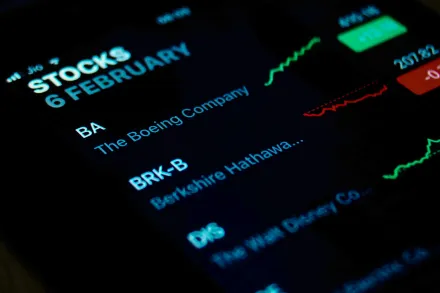
Technology stocks represent shares in companies whose primary business revolves around developing, producing, or deploying technology-driven products and services. These stocks span software, semiconductors, hardware, internet platforms, cloud infrastructure, artificial intelligence, cybersecurity, data analytics, and consumer electronics. They are often characterized by rapid product cycles, high research and development intensity, and a tendency to trade at valuations that reflect anticipated growth rather than current earnings. Investors use...

Legal insider buying refers to the purchase of company stock by individuals who already hold a position of control or access to sensitive information within the issuer, such as executives, directors, or significant shareholders, under conditions permitted by securities laws. When insiders decide to buy, they do so within a framework that demands disclosure, timing, and often preauthorization through trading plans or specific corporate governance channels. The phenomenon sits at the intersection of finance, law, and behavioral psychology, becaus...

Position sizing is one of the cornerstone practices of disciplined trading and prudent portfolio management. It is not simply a numeric rule or a casual aside; it is the mechanism by which risk is translated into tangible exposure to the markets. When a trader opens a new trade, the size of that trade determines how much capital is at stake and, crucially, how the normal ebbs and flows of price movement will affect the overall account equity. The process combines an understanding of risk tolerance, market volatility, stop loss placement, and th...
Trading bots have moved from the fringes of finance into the mainstream of many investment strategies, drawing interest from professional traders, hedge funds, retail enthusiasts, and institutions that run algorithmic programs. These software agents operate in markets around the clock, absorbing vast streams of price data, liquidity information, and order book dynamics in order to make decisions at speeds and with a precision that human traders cannot match. The basic premise is straightforward: convert rules, statistical insights, or learned p...